
What’s happening in the Arctic? Our researcher friends have been busy finding out! From discovering tiny organisms to tracking birds on incredible journeys, they’re learning more about Arctic wildlife and how a changing climate could affect it. Let’s check out their latest updates!
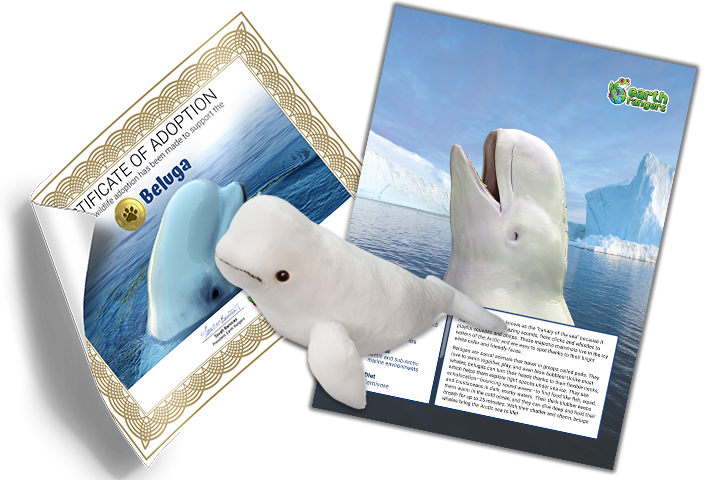
Beluga Whale: A Surprising Discovery Beneath the Ice
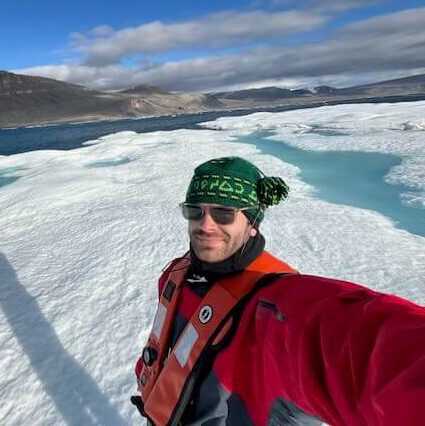
This summer, researcher Patrick returned to Grise Fiord, Nunavut, to study phytoplankton, tiny organisms that use sunlight to make their own food. These little organisms might be small, but they play a big role in the Arctic food web!
Patrick and his team collected samples from beneath the Arctic ice and examined them using a special microscope. What they saw was different from anything they had spotted before! Some of the tiny organisms looked like Pseudo-nitzschia, a type of phytoplankton that can produce a harmful toxin called domoic acid.
Domoic acid can be harmful to marine animals, including belugas, when it reaches high levels in the water. So, the team decided to investigate further! They grew the collected phytoplankton at warmer temperatures to see if warmer water could lead to more toxin production.
Now, the team is heading back to the lab to study their results. Could warming Arctic waters create new challenges for belugas and other marine animals? Their research will help scientists find out and take action!
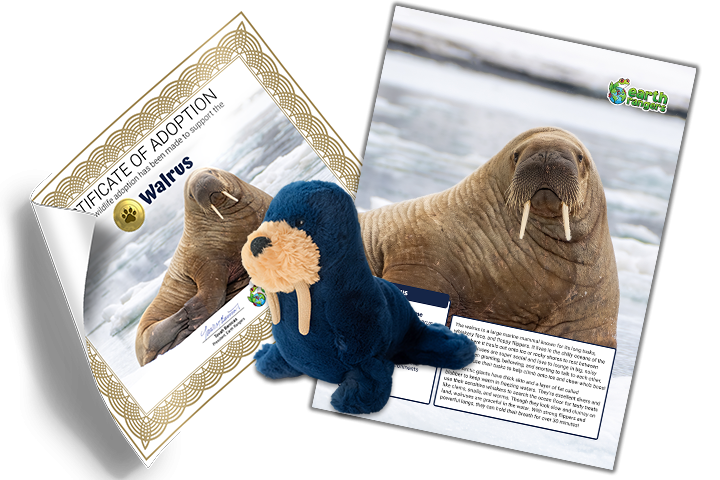
Walrus: Tracking Wildlife and Checking Ocean Health
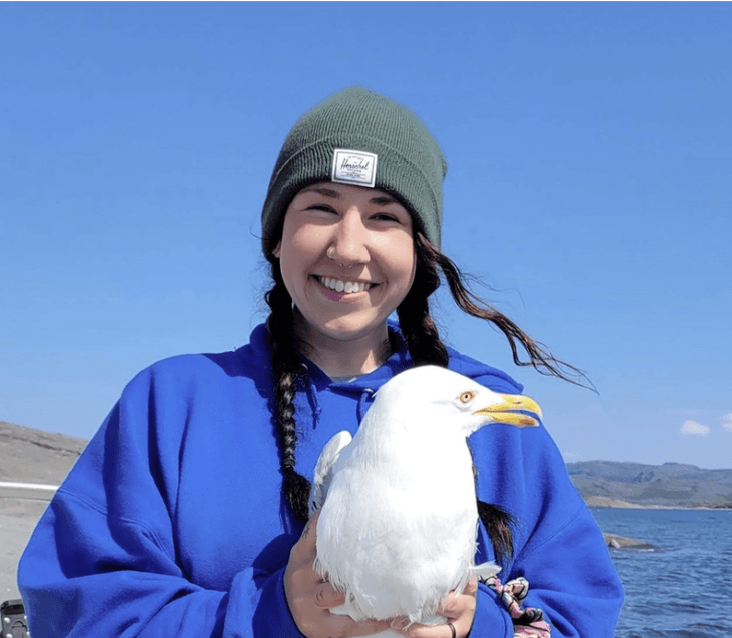
How can we tell if Arctic wildlife is healthy in the face of human-caused disturbances? Biologist Reyd and her team of researchers have been busy studying walruses and seabirds in Nain, Labrador to learn more about just that, looking at how pollution affects the animals that live in the Arctic.
The team has finished testing samples from around 70 walruses for signs of oil exposure, which is a big concern for the animals that make their homes where shipping traffic happens. They’re now preparing their results for publishing in a scientific journal! This research is important, and important to share, because healthy wildlife matters not only to the Arctic ecosystem, but also to the northern communities that rely on wild animals for traditional foods.
Good news! Oil levels found in bird eggs have stayed low following an earlier increase after an oil spill near Postville. That’s encouraging news for birds and the people who harvest them for traditional foods.
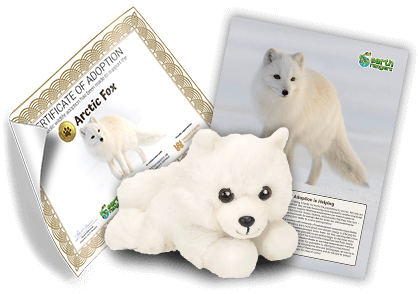
Arctic Fox: How Does Warmer Weather Affect Arctic Wildlife?

Researcher Emmanuelle and her team have just wrapped up three summers of fieldwork in Alert, Nunavut, one of the northernmost research stations in the world! Their goal? To find out how rising temperatures affect snow buntings, small Arctic birds that are an important summer food source for Arctic foxes.
The team discovered that adult snow buntings tend to move around less on warmer days. These birds are built for the cold, with thick feathers that help keep them warm – but when temperatures rise, all that insulation can make it harder to stay cool.
Moving around less helps the birds avoid overheating, but it also means they make fewer trips to feed their chicks. As a result, chicks might grow more slowly, making it harder for them to get ready for winter.
The research is already helping scientists monitor Arctic wildlife and plan for the future. And because Arctic foxes rely on snow buntings as part of their summer diet, understanding how these birds respond to warmer weather can help researchers learn more about the challenges foxes might face, too!
Every Discovery Makes a Difference!
The Arctic is home to incredible wildlife. By studying these animals and their habitats, researchers can better understand how a changing climate and pollution affect the Arctic. Thanks to everyone supporting our animal adoption projects – your support helps researchers uncover important discoveries and find new ways to protect wildlife and the amazing places they call home!